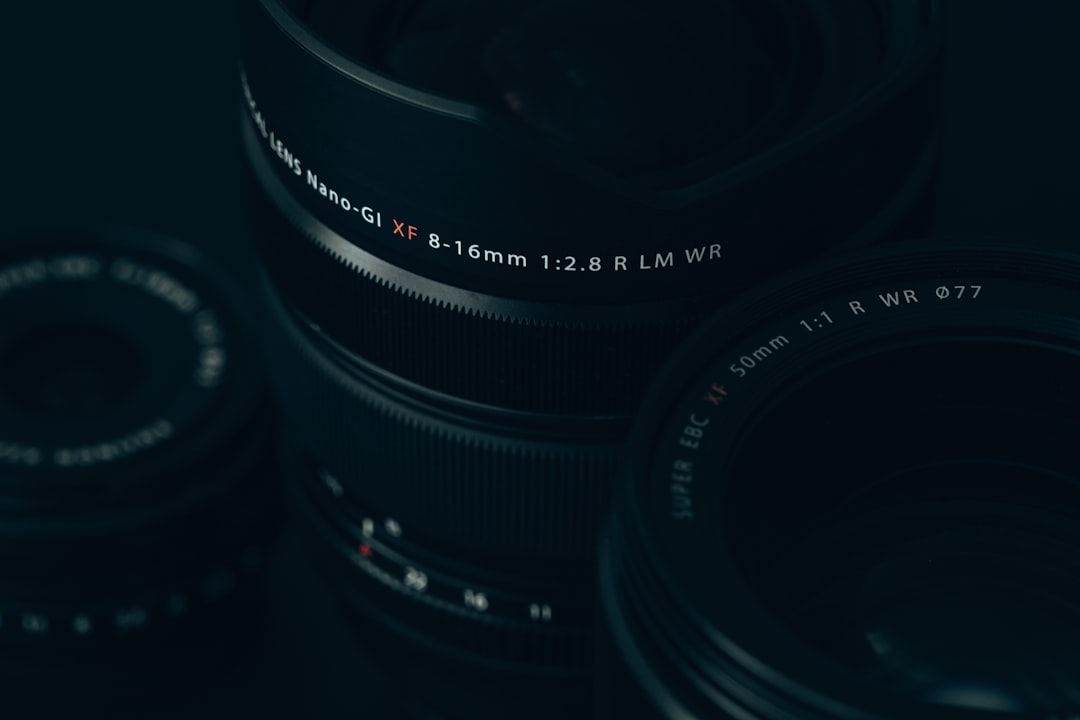
Choosing the right camera lens is crucial for photographers looking to elevate their craft. With the vast array of options available, it can be overwhelming to determine which lens best suits your needs. This guide aims to simplify the decision-making process by breaking down the essential factors to consider when selecting camera lenses.
Understanding Lens Types
Camera lenses come in various types, each designed for specific photography styles. The most common types include prime lenses, zoom lenses, and macro lenses. Prime lenses have a fixed focal length, which often results in superior image quality and larger apertures, making them ideal for low-light conditions and portrait photography.
On the other hand, zoom lenses offer versatility with adjustable focal lengths, allowing photographers to capture a range of subjects without changing lenses. Macro lenses are specialized for extreme close-up photography, perfect for capturing intricate details in nature or product photography. Understanding these types will help you choose a lens that aligns with your photographic goals.
Focal Length and Its Impact
The focal length of a lens significantly influences the perspective and composition of your images. Measured in millimeters, focal length determines how much of a scene will be captured and the level of zoom. For instance, a wide-angle lens (typically 24mm or less) is excellent for landscapes and architecture, as it captures a broader view.
Conversely, telephoto lenses (70mm and above) are ideal for wildlife and sports photography, allowing you to shoot distant subjects without disturbing them. Key Insight: As of 2022, the demand for telephoto lenses increased by 15%, indicating a growing interest in capturing distant subjects, which may influence purchasing decisions for aspiring photographers.
Aperture and Low-Light Performance
Aperture, represented by f-stop numbers, plays a vital role in determining the amount of light that enters the lens. A lower f-stop number (e.g., f/1.8) indicates a larger aperture, allowing more light to reach the sensor. This is particularly beneficial for shooting in low-light conditions or achieving a shallow depth of field, which creates a pleasing background blur in portraits.
Conversely, higher f-stop numbers (e.g., f/16) are suitable for landscape photography, where a greater depth of field is desired to keep more of the scene in focus. When selecting a lens, consider your typical shooting environments and how aperture will affect your images.
Compatibility with Camera Systems
Before purchasing a lens, it’s essential to ensure compatibility with your camera system. Different camera manufacturers have unique lens mounts, and using a lens designed for a different brand may result in functionality issues. Additionally, some lenses are designed specifically for full-frame cameras, while others are optimized for crop sensor cameras.
Understanding your camera’s specifications will help you make informed decisions when selecting lenses. Many manufacturers offer adapters that allow for cross-brand compatibility, but these can sometimes compromise performance, so it’s best to use native lenses whenever possible.
Budget Considerations
Photography equipment can be a significant investment, and lenses are no exception. Prices can range from affordable options to high-end professional lenses costing thousands of dollars. When budgeting for a lens, consider not only the initial purchase price but also the long-term value it brings to your photography.
Investing in a quality lens can enhance your photography experience and improve the quality of your images. Additionally, consider the resale value of lenses, as some retain their value better than others. Researching market trends and user reviews can provide insight into which lenses are worth the investment.